Project Owner: Institute of Environmental Health and Sustainable Development (IEHSD)
Donor and Main Partner: International Livestock Research Institute (ILRI), Kenya (non-refundable grant to IEHSD)
Local Partners: Sub-Department of Crop Production and Plant Protection, Livestock Production and Veterinary Medicine, and Fisheries of Lao Cai Province; Thai Nguyen University of Agriculture and Forestry – Thai Nguyen University
Implementation Period: July 2026 – December 2028
Locations: Hanoi City (expert consultation meetings), Lao Cai Province, and Thai Nguyen Province
Background
The world is facing numerous challenges related to emerging infectious diseases, zoonotic diseases, antimicrobial resistance (AMR), climate change, and food safety. According to the World Health Organization (WHO), approximately 60% of emerging infectious diseases in humans originate from animals. Addressing these challenges requires close coordination among the human health, veterinary, agricultural, and environmental sectors through the One Health approach.
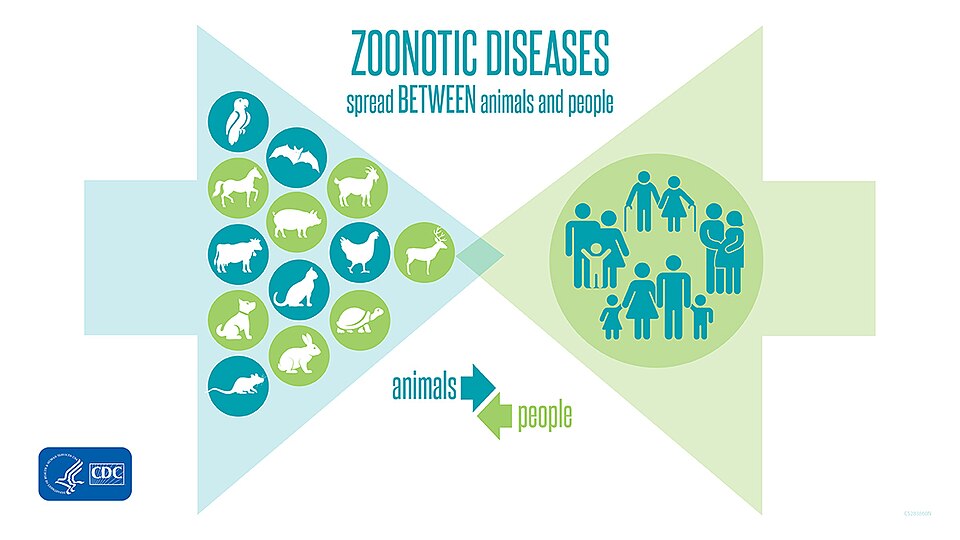
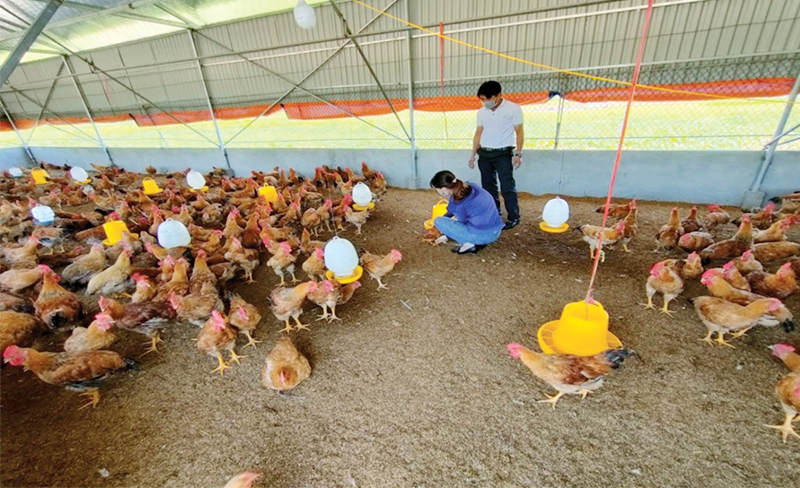
Source: Internet
Vietnam is one of the countries at high risk due to its tropical climate, high population density, rapid urbanization, and a high proportion of small-scale livestock farming. Increasing interactions among humans, livestock, and wildlife further escalate the risks of disease outbreaks, as well as food safety and AMR issues.
Objectives
General Objective: Enhance research, management, and operational capacity using the One Health approach in Vietnam and the region through a strategic partnership between ILRI and IEHSD; contribute to protecting public health, strengthening health security, and promoting sustainable agricultural development.

Specific Objectives:
- Strengthen capacity and develop specialized human resources.
- Develop technical infrastructure and One Health field facilities.
- Standardize technical protocols and enhance training programs.
- Expand collaborative networks and mobilize resources.
Expected Results
- 2 One Health field sites established and operating stably.
- 1 complete Standard Operating Procedure (SOP) set for the One Health coordination unit.
- 1 training package and 3 specialized technical guidelines (food safety, zoonotic diseases, and antimicrobial resistance prevention).
- Community communication materials (leaflets, posters, handbooks).
- 1 intervention assessment toolkit, 1 effectiveness evaluation report, and 1 predictive modeling report complete with risk maps.
- At least 2 new One Health project proposals, 6 inter-sectoral meetings/forums, and 5 new strategic partners or collaborative initiatives.