On 17–18 November 2026, the Institute of Environmental Health and Sustainable Development (IEHSD) held consultation meetings at the People’s Committees of Gia Sang Ward and Tan Khanh Commune (Thai Nguyen Province), under the project initiative “ILRI-IEHSD partnership in One Health research and operationalization” (Vietnam One Health Lab), with technical support and collaboration from the International Livestock Research Institute (ILRI) and Thai Nguyen University of Agriculture and Forestry (TUAF). Both localities agreed on the need for a One Health coordination team at the grassroots level, agreed on the team’s key members, and called for a practical, step-by-step handbook for officials and residents.
Human, animal and environmental health are closely linked
“One Health” is an approach that treats the health of people, animals and the environment as one. Many problems, such as diseases passed from animals to humans, food safety or pollution from livestock farming, cannot be solved by one sector alone. They need health, veterinary, agriculture, environment and police services, mass organisations and residents themselves to work together.
Gia Sang Ward: ready to be a pilot site
At the meeting on 17 November, representatives of the Ward People’s Committee leadership, the Health Station, the Division of Construction, Agriculture and Environment, the Women’s Union and the Youth Union shared their experience with livestock vaccination, hygiene in livestock farming and food safety in the ward. Participants also spoke openly about difficulties such as staff shortages, limited funds for communication and irregular coordination between sectors.
The ward is ready to become a pilot site so that lessons can be learned and scaled up. The parties also discussed setting up a ward-level One Health Coordination Team and how to report early when signs of disease appear.
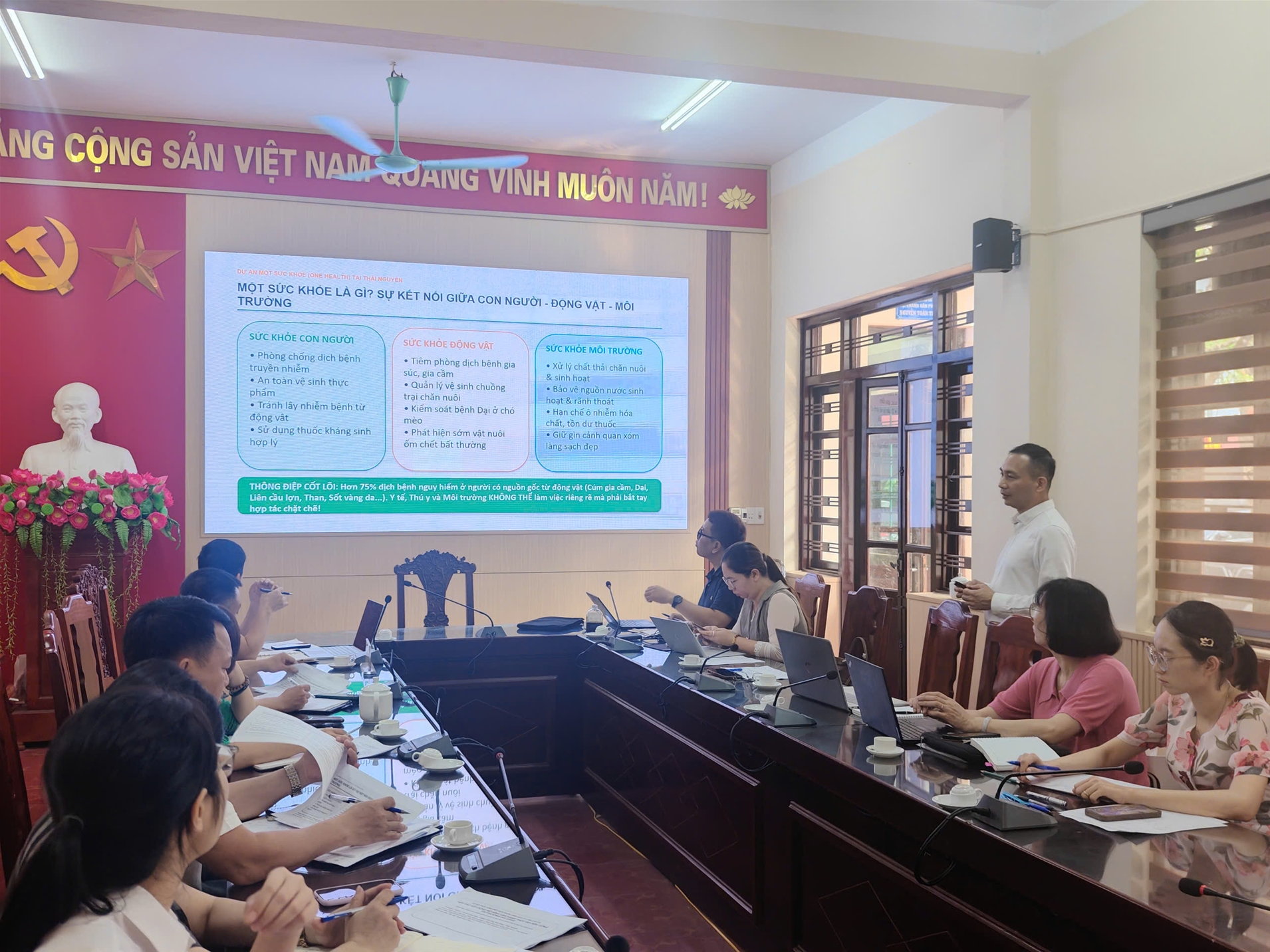
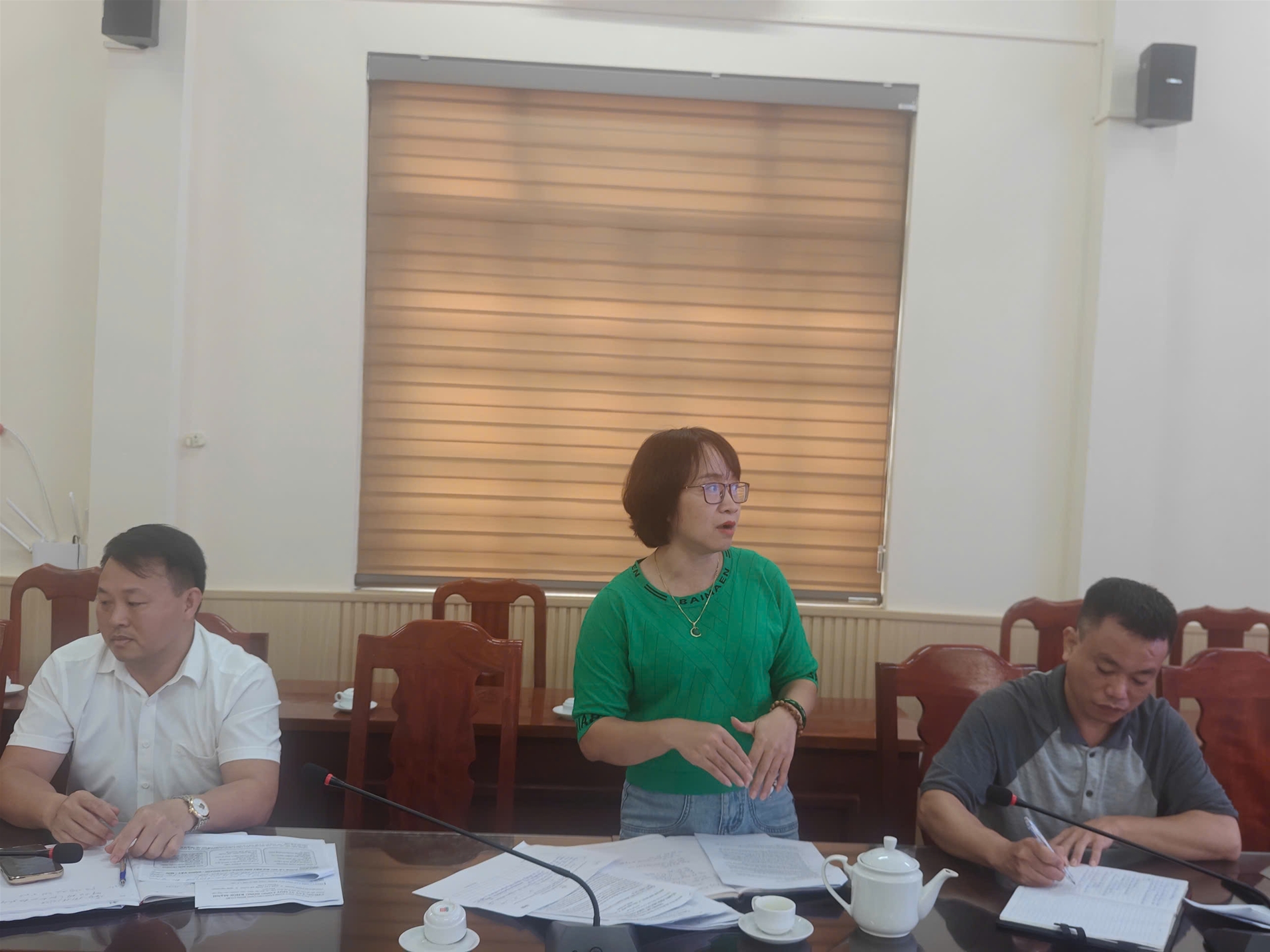
Image: One Health consultation at Gia Sang Ward People’s Committee
Tan Khanh Commune: farmers’ voices
The meeting on 18 November in Tan Khanh, one of the localities with the largest livestock populations in the province, brought together the Commune People’s Committee leadership, the Health Station, the Division of Construction, Agriculture and Environment, the Commune Police and representatives of hill-chicken farming cooperatives.
Farmers and commune officials openly shared everyday concerns: dead animals being dumped into the environment, the habit of eating raw blood pudding, self-medication with antibiotics, and the management of small-scale slaughtering. Many suggested that the coordination team should be built around health staff, the police and village heads, and should use existing Zalo groups to share alerts quickly at no extra cost. The commune leadership fully supported the approach, as it fits into each sector’s existing duties without adding new tasks or costs.
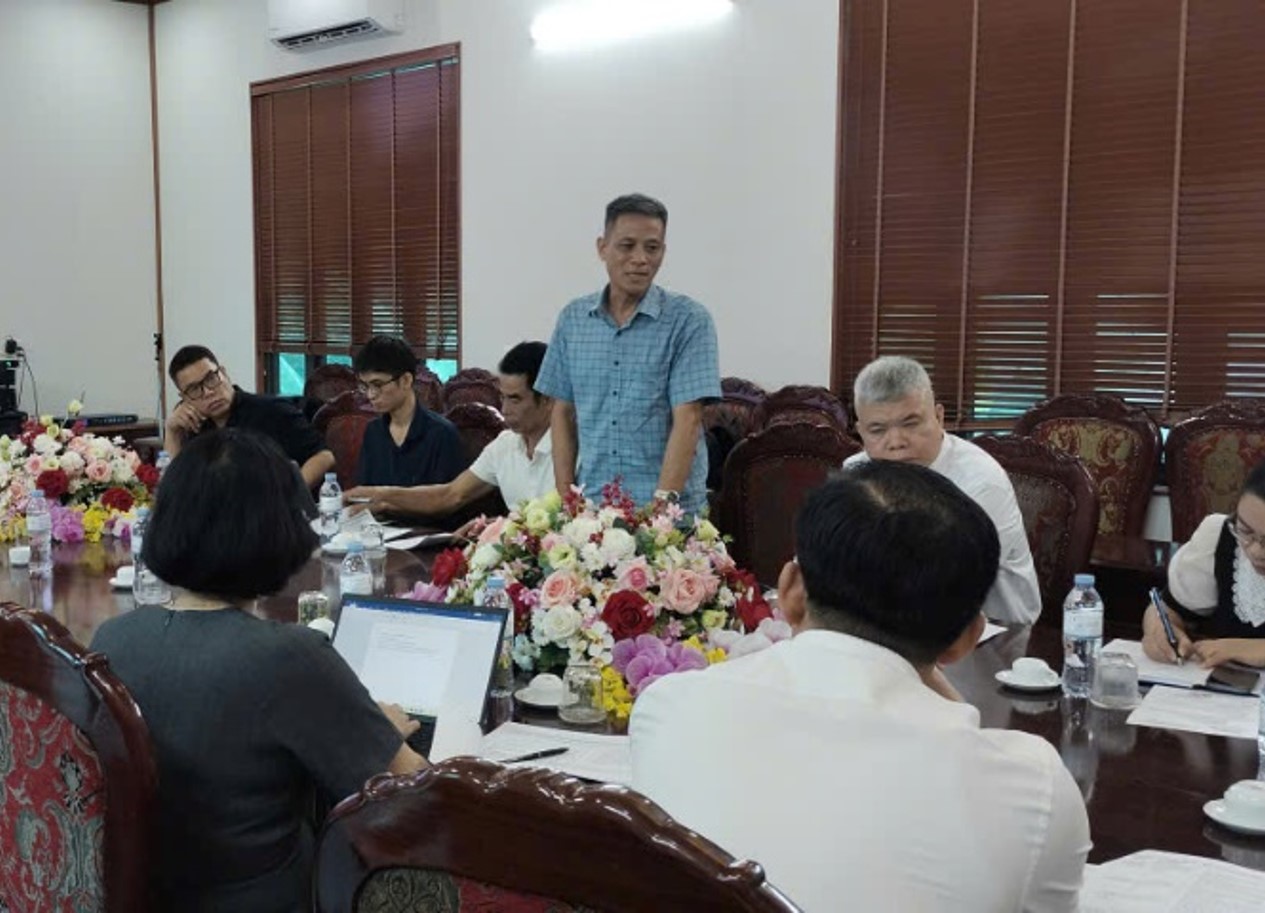
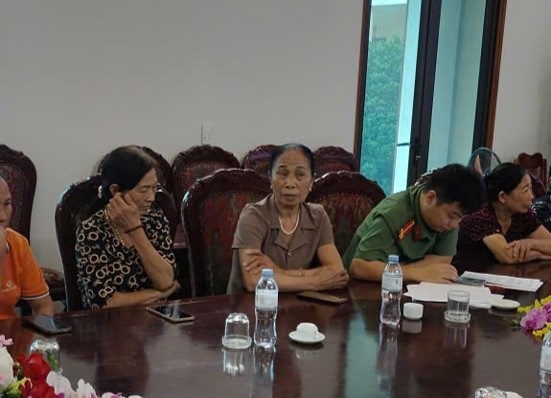
Image: Farmers and local officials discuss grassroots health risks in Tan Khanh
Next steps
Based on the input from both localities, the project team will finalise the coordination procedure and the handbook, and send them to the ward and the commune for comments before they are issued. In December 2026, the team plans to return to both localities to run training and launch the first activities.
Close coordination between sectors at the grassroots level is expected to help detect and prevent health risks earlier, protecting residents’ health and supporting sustainable livestock farming in the area.